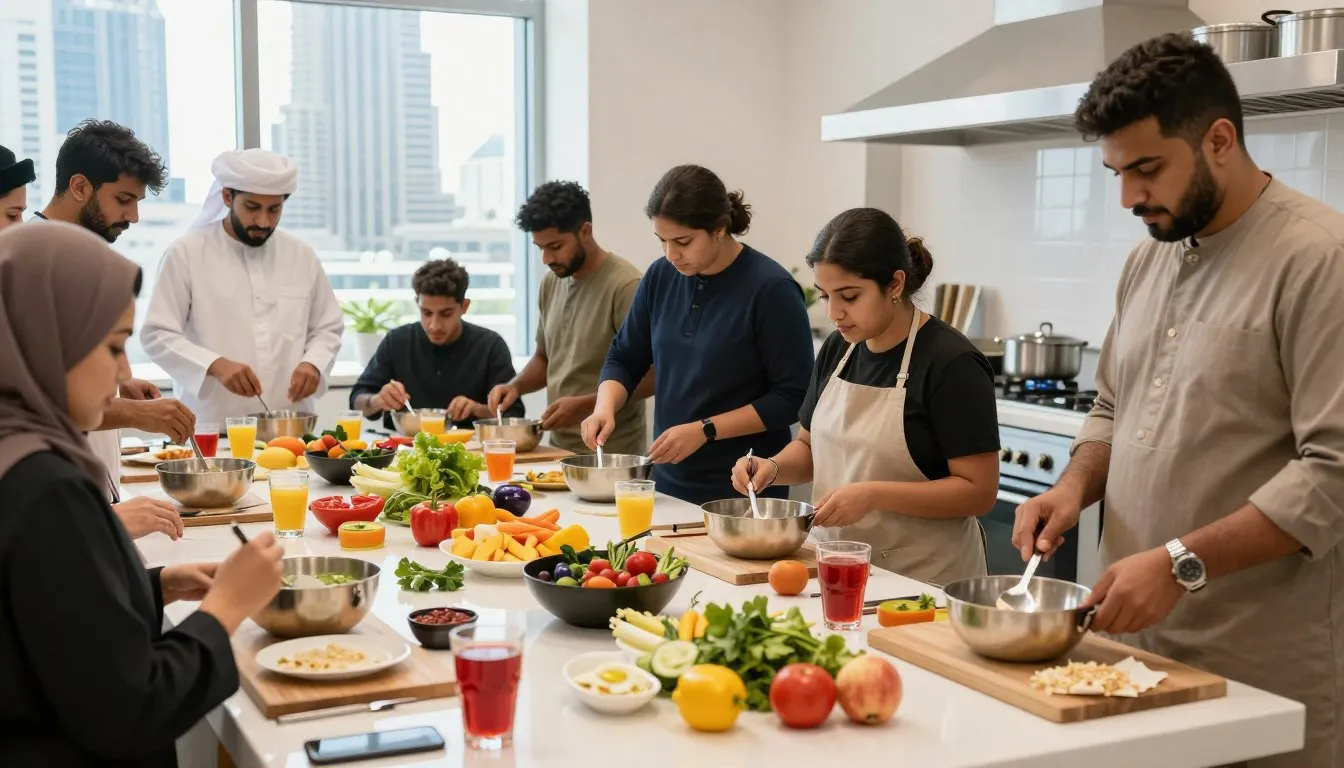
We remember our first time in a Dubai kitchen. The heat, the orders, and the promise of change. This moment drives us at Bright Future Training Institute. We aim to turn passion into a career through culinary arts training in Dubai.
Our cooking classes mix hands-on learning with real-world standards. This helps both new graduates and career switchers. They can boost their job chances and get recognized qualifications. We make sure our courses meet the needs of the industry, preparing students for jobs or leadership roles.
As a top culinary school in Dubai, we offer expert teaching and mentorship. Below, we’ll cover our courses, job paths, placement help, and how to join Bright Future Training Institute. For quick contact: Bright Future Training Institute, Suite #404, Fourth Floor NBQ Building, Bank Street, Bur Dubai; Phone +971559234565; Email [email protected]; Website http://bftraining.ae.
Key Takeaways
- Professional cooking classes in Dubai offer practical training tied to real job outcomes.
- Culinary arts training Dubai is designed for career-focused students and working professionals.
- Accredited programs increase chances of securing a cooking course Dubai job.
- Bright Future Training Institute combines industry expertise with supportive mentorship.
- Upcoming sections will detail courses, placements, costs, and enrollment steps.
Why Choose Culinary Arts Training in Dubai
We train professionals for a food career in Dubai, a city known for its global dining scene. Dubai’s hotels, restaurants, and tourists create a constant need for skilled kitchen staff. Our culinary arts training in Dubai prepares students for the real-world pace and standards.
Dubai’s food scene and career opportunities
Dubai offers everything from Michelin-starred menus to lively street-food markets. This variety gives students hands-on experience in different service styles and menu designs. Many graduates find jobs in top hotels, specialty restaurants, and boutique catering services.
International exposure and multicultural kitchens
Students work with chefs from Europe, Asia, and the Middle East. This setting teaches global cooking techniques, communication, and menu fusion. We focus on teamwork to help students adapt to international kitchens and varied culinary expectations.
Demand for trained chefs and hospitality growth
Dubai’s growing hospitality sector means more job openings for trained chefs. Employers look for certified professionals from respected programs. This certification shows consistency and safety. Joining our accredited culinary arts training in Dubai boosts your chances of finding a job and advancing your career.
| Advantage | What We Provide | Result for Graduates |
|---|---|---|
| Real-world kitchens | Hands-on practicum in hotel and restaurant settings | Faster transition to professional roles |
| Global techniques | Modules on international cuisines and plating | Ability to work in multicultural teams |
| Certification | Industry-recognized credentials and assessments | Improved visibility for culinary job opportunities |
| Placement support | Career guidance, internships, and employer networking | Higher success rate for cooking course dubai job placement |
Overview of Professional Cooking Classes Available
We offer a clear map of learning paths for aspiring chefs and hospitality professionals. This section guides career starters, skill builders, and experienced cooks through the choices that best match their goals in Dubai’s fast-paced culinary market.
Types of courses: short workshops to full chef training programs
One-day workshops and weekend masterclasses suit beginners and hobbyists who want targeted skills quickly.
Short-term certificate courses run from a few weeks to a few months. They are perfect for career switchers seeking a fast, structured route into kitchens.
Diploma and advanced chef training programs provide in-depth technique. They offer longer practical hours and industry context for those aiming for senior roles.
Hands-on vs. theory-based learning
Hands-on programs focus on mise en place, station work, and live service drills. These sessions build speed, consistency, and confidence under pressure.
Theory-led modules cover food safety, culinary theory, menu costing, and nutrition. They give students the language and planning skills employers expect.
We emphasize practical hours as a gateway to employability. Employers in Dubai look for graduates who can perform reliably in a service environment.
Certification and industry recognition
Accredited certificates from reputable institutions increase credibility with hotels, restaurants, and catering companies in the UAE.
Programs that combine accredited competency certificates with documented work placements are often prioritized by hiring managers for a cooking course dubai job.
We recommend checking accreditation, exam formats, and links to employers when selecting professional cooking classes or chef training programs. This ensures skills translate to real roles.
| Course Type | Typical Duration | Best For | Key Outcomes |
|---|---|---|---|
| One-day workshops | 1 day | Hobbyists, beginners | Technique sampling, quick skill boost |
| Weekend masterclasses | 2–3 days | Skill-focused learners | Specific cuisines, advanced techniques |
| Short-term certificate | 4–12 weeks | Career switchers | Core skills, entry-level employability |
| Diploma programs | 6–12 months | Aspiring professional chefs | Comprehensive technique, kitchen workflow |
| Advanced chef training programs | 12 months+ | Experienced cooks, leaders | Leadership, menu development, management |
cooking course dubai job
We help eager learners find jobs in the culinary world. Our courses teach them the skills needed for the kitchen. They learn about food safety, how to plate dishes, and how to work under pressure.
Students also build a portfolio of their best dishes. This makes them stand out to employers in Dubai’s food and beverage industry.
How a cooking course leads to employment opportunities
Our curriculum is designed to prepare students for real-world kitchens. They practice kitchen tasks like mise en place and quality control. This makes them ready for the job market.
Students who pass our assessments and taste panels show they have the skills. Employers look for this proof when hiring.
Placement assistance and internship pathways
We work with hotels, restaurants, and catering companies to offer internships. We help students prepare for interviews and introduce them to kitchen managers. This can lead to full-time jobs in places like Marriott and Jumeirah.
Examples of roles graduates can pursue in Dubai
Our students are ready for various culinary jobs. They can start as commis chefs or line cooks. With experience, they can move up to roles like sous chef or even private chef.
Salaries vary based on the job and where you work. But, there are clear paths to advancement with the right skills and experience.
Chef Training Programs: What to Expect
We guide aspiring chefs through clear, practical pathways. This helps students understand what to expect from chef training programs in Dubai. Our overview compares course content, assessments, and time commitments. It aims to help you find culinary arts training in Dubai that fits your goals and schedule.
Core curriculum components
Curriculum modules start with basic and advanced knife skills. Students learn cutting techniques and safe handling. They then move on to classic cooking methods like roasting, braising, and sautéing.
Training also covers stocks and sauces, foundational pastry, and dessert basics. This ensures students have balanced kitchen competence.
Food safety is taught through hygiene and HACCP modules. Kitchen management lessons include inventory control and workflow. Students learn about staff roles and cost tracking.
Menu planning and costing teach recipe costing and portion control. Nutrition and plating/presentation conclude with service-ready techniques. These meet restaurant expectations.
Assessment methods and practical exams
Assessments blend live practical exams, timed cook-offs, and written theory tests. Continuous assessment takes place during lab sessions. Instructors grade mise en place, timing, and execution.
Exam formats mirror industry pressures. Students present plated dishes under time constraints. They must justify menu choices and costings.
This prepares graduates for the realities of professional kitchens after completing professional cooking classes or chef training programs.
Duration and program intensity
Short skill-focused courses run one to four weeks. They are ideal for upskilling or sampling specific techniques. Certificate and diploma tracks span three to twelve months, providing training for entry-level roles.
Intensive full-time diplomas are designed for rapid career entry. They include daily kitchen labs and long practical hours. Part-time and evening options suit working professionals with flexible schedules.
Weekly hours vary from 8–20 for part-time programs and 25–40 for full-time training. Students should expect hands-on kitchen intensity during lab days. An emphasis is placed on repetition, speed, and quality that reflects real-world service conditions.
How to Choose the Right Culinary School in Dubai
Choosing the right culinary school in Dubai is key to your career. We help you understand what to look for in accreditation, facilities, and job outcomes. This ensures your training meets your career goals.
Accreditation and instructor experience
Check if the school is accredited and recognized. Look for approvals from UAE authorities and international bodies like City & Guilds or the American Culinary Federation.
It’s important to know about your instructors. They should be experienced chefs, hotel managers, or hospitality experts. Their backgrounds show their teaching quality and industry relevance.
Facilities, kitchen equipment, and class sizes
Look at the practical training kitchens. They should have commercial ranges, ovens, and chillers. Also, find out how ingredients are sourced and if menus match hotel and restaurant standards.
Class size is also key. Smaller classes mean more attention from instructors. Look for programs with dedicated stations for each student.
Reviews, alumni success, and industry connections
Read alumni reviews and look at placement statistics. Check for partnerships with hotels, restaurants, and catering companies. These connections can lead to internships and job placements.
Look beyond titles when assessing alumni success. Check for career growth at well-known brands like Jumeirah or Marriott. Strong industry ties and success stories show program value.
| Selection Factor | What to Verify | Why It Matters |
|---|---|---|
| Accreditation | UAE ministry recognition, City & Guilds or equivalent | Ensures certification is accepted by employers and suitable for visa or licensing |
| Instructor Profile | Experience as executive chefs, brigade leaders, or hospitality managers | Provides industry-grade techniques, mentorship, and real kitchen standards |
| Kitchen Facilities | Commercial ranges, combi ovens, blast chillers, student stations | Prepares students for professional environments and reduces learning gaps |
| Class Size | Student-to-instructor ratio and lab scheduling | Improves hands-on training quality and individual feedback |
| Ingredient Sourcing | Access to seasonal, imported, and bulk ingredients for labs | Reflects real supply chains and menu planning realism |
| Alumni Outcomes | Placement rates, employer names, graduate case studies | Indicates likelihood of securing a cooking course dubai job after graduation |
| Industry Partnerships | Internships with hotels, restaurants, and catering firms | Creates networking channels and direct recruitment pipelines |
| Program Scope | Range from short workshops to full chef diplomas and specializations | Matches career objectives, whether entry-level roles or advanced leadership |
| Professional Cooking Classes | Curriculum balance of practical labs and theory | Ensures graduates have technical skill and food safety knowledge employers expect |
Cooking Workshops in Dubai for Skill Building
We offer focused, hands-on experiences to help cooks and professionals sharpen techniques fast. These workshops build practical skills, broaden culinary perspectives, and enhance resumes for those seeking a cooking course dubai job.
Short-term workshops for specific cuisines and techniques
Participants can join concise modules on Middle Eastern cuisine, Emirati specialties, Italian pasta and sauces, sushi basics, pastry and chocolate tempering, and sous-vide techniques. Each session focuses on technique, timing, and presentation. This way, attendees gain usable skills in hours, not weeks.
Such short workshops are ideal for rapid skill enhancement and portfolio diversification. They pair well with broader culinary arts training dubai, giving students targeted strengths that stand out to employers.
Corporate and team-building culinary events
Companies use culinary sessions to boost teamwork, communication, and creativity. Teams work together under simulated kitchen pressure, assign roles, and deliver a shared menu. These events translate directly to improved workplace collaboration.
Corporate workshops also showcase leadership and problem-solving. Groups that complete a cooking challenge leave with stronger bonds and practical takeaways. These support professional growth in hospitality and food service.
Continuing education for professional chefs
Established chefs find value in advanced technique classes, seasonal menu development workshops, and guest chef masterclasses. These options support ongoing career development, encourage innovation, and sustain high standards in fast-paced kitchens.
Continuing education complements formal culinary arts training dubai by keeping skills current and marketable. Ongoing learning increases chances of qualifying for senior roles and enhances prospects tied to a cooking course dubai job.
Culinary Job Opportunities and Career Paths in Dubai
We help students find jobs in Dubai’s hospitality sector. They can move from kitchen work to leading roles. There are clear steps to advance and start their own businesses.
Hotel and fine-dining chef positions
Commis chefs start by doing basic prep and learning to use knives fast. Demi chefs handle more tasks in a section. Sous chefs manage shifts, inventory, and staff.
Executive chefs plan menus, control budgets, and guide the culinary direction. Pastry chefs and garde manger specialists create desserts and cold kitchen items that make a restaurant stand out.
F&B management, catering, and private chefs
Chefs can move into F&B management, planning, cost control, and vendor talks. Banquet and events leaders handle big catering jobs, planning menus and logistics. Private chefs work for wealthy clients, making custom menus and ensuring top service.
Skills from a cooking course in Dubai, like portion costing, help in these roles.
Entrepreneurial routes: food trucks, pop-ups, and cloud kitchens
Modern chefs start food trucks, pop-up restaurants, and cloud kitchens to reach specific markets. These options have lower costs and quick start-ups. But, they need permits and must follow Dubai’s food safety rules.
We teach business skills, like managing cash flow and digital ordering, for growing these ventures.
| Career Path | Typical Roles | Key Skills | Entry Point |
|---|---|---|---|
| Hotel & Fine-Dining | Commis, Demi Chef, Sous Chef, Executive Chef, Pastry Chef, Garde Manger | Technical cooking, plating, team leadership, menu planning | Professional chef training or accredited apprenticeship |
| F&B Management & Catering | F&B Manager, Banquet Manager, Catering Director, Private Chef | Cost control, event coordination, client relations, quality assurance | Experience in kitchens plus management or short courses |
| Entrepreneurship | Food Truck Owner, Pop-up Operator, Cloud Kitchen Founder, Niche Caterer | Business planning, licensing, marketing, digital sales | Culinary course plus business or vocational training |
We support career growth with mentorship, placements, and skill-building. Students get both cooking skills and soft skills for various jobs in the UAE.
Culinary Career Development and Networking
We guide students from the classroom to Dubai’s lively food scene. Networking, targeted exposure, and a professional portfolio are key. These steps lead to growth in culinary careers. They make connections real and job readiness possible.
Industry events, competitions, and food festivals
Competitions improve skills and increase visibility. Dubai Food Festival and industry showcases are great for this. They let students compare skills and meet employers.
Competing or showing at festivals can lead to press coverage and supplier connections. These are big helps in finding a cooking job in Dubai early on.
Professional associations and mentorship
Joining groups like the Emirates Culinary Guild opens up training and workshops. It also offers member-only job opportunities. We suggest finding mentors from top chefs at places like Atlantis, Jumeirah, or Four Seasons.
Mentorship speeds up your progress, clarifies your career path, and reinforces class lessons. It’s a big help in professional cooking classes.
Building a portfolio and social media presence
Your portfolio should have great photos, short dish descriptions, and recipe notes. It should show off your skills. Keep your LinkedIn and Instagram up to date.
Use them to attract recruiters, clients, and partners. Regular updates and clear captions are key. They help turn your coursework into real job chances in Dubai.
Cooking Courses for Employment: Entry Requirements and Costs
We help students understand what they need to start culinary training. We want to make it easy for you to find a job in Dubai. Our goal is to guide you through the process.
Typical prerequisites and experience levels
Most programs require you to be at least 17 or 18 years old. You also need a high school diploma or something similar. Knowing English is key because most work places use it.
For more advanced courses, you might need kitchen experience or a basic culinary certificate. We look at your skills and dedication, not just your papers.
Tuition fees, scholarships, and payment plans
Course prices vary. Short courses are cheaper, while longer programs cost more. This is because longer programs include more hands-on training and work placements.
Many schools offer payment plans and employer training options. You might also find scholarships or discounts. For more details, contact Bright Future Training Institute.
Visa considerations for international students
Short courses usually don’t need a student visa. You can attend on a tourist or visit permit if it fits your stay. But, longer programs might need a visa or training permit.
International students should check with the school and UAE immigration before starting. This helps avoid any training interruptions and makes your transition smoother.
| Program Type | Typical Duration | Estimated Tuition Range (AED) | Common Entry Requirement | Visa Need |
|---|---|---|---|---|
| Short Workshop | 1–7 days | 300–2,000 | No formal education, basic interest | Usually not required |
| Certificate Course | 4–12 weeks | 3,000–12,000 | High school or equivalent, English basic | Rarely required for short courses |
| Diploma / Vocational Program | 6–12 months | 15,000–45,000 | High school, English proficiency, possible experience | Likely needed for longer programs |
| Advanced Chef Training | 6–18 months | 25,000–70,000 | Prior kitchen experience or certificate | Student or training visa often required |
We see practical education as the key to real jobs in hospitality. Choosing a respected culinary school in Dubai opens doors. It gives you industry connections and support for finding a job.
Cooking Classes Tailored for Professionals: Upskilling Options
We create advanced paths for chefs aiming for leadership roles. These classes focus on leadership, menu planning, cost control, and technique. They meet the high standards of top UAE hotels and restaurants.
Advanced courses for sous chefs and head chefs
Our intensive modules improve supervisory skills and shift planning. You’ll learn to manage large quantities, ensure consistency, and handle service peaks. The program combines technique labs with scenario-based workshops for head chef readiness.
Specializations: pastry, molecular gastronomy, regional cuisines
Specialty tracks cover pastry, molecular gastronomy, and more. Each teaches unique techniques, ingredient sourcing, and presentation. These skills help graduates secure niche roles or start premium concepts.
Management and safety certifications for kitchen leadership
Our program includes food cost analysis, supplier negotiations, and basic HR. You’ll also get HACCP and Dubai Municipality food handling approvals. These ensure compliance and boost employability, making you ready for management roles.
| Upskill Path | Core Focus | Duration | Outcome |
|---|---|---|---|
| Leadership for Sous & Head Chefs | Staff management, service control, menu engineering | 8–12 weeks | Promotion readiness, supervisory role placement |
| Pastry & Confectionery Specialist | Advanced pastry techniques, sugar work, plated desserts | 6–10 weeks | Pastry chef positions, boutique patisserie startups |
| Molecular Gastronomy | Modernist techniques, texture control, avant-garde plating | 4–8 weeks | High-end fine dining roles, menu innovation |
| Regional Cuisines Intensive | Levantine, South Asian, European classics and trends | 4–8 weeks | Specialist chef roles, consultancy for niche venues |
| Management & Food Safety Certification | Food cost analysis, HR basics, HACCP, Dubai approvals | 2–6 weeks | Compliant kitchen leadership, hiring qualification |
Combining specialty modules with management certification is key. Graduates are more job-ready and see clearer promotion paths. For those looking for a cooking course dubai job, these options offer technical depth and recognized credentials.
Bright Future Training Institute: Course Offerings and Contact
We welcome those who want to start a career in cooking. Bright Future Training Institute is in Suite #404, Fourth Floor NBQ Building, Bank Street, Bur Dubai. We focus on hands-on training and soft skills to get you ready for the job world.
Here, we share the institute’s details, programs for a culinary career, and how to sign up and get in touch. Our method helps you find a cooking job in Dubai while improving your communication and business skills.
Institute profile and location details
Bright Future Training Institute offers accredited courses in many fields. Our Bur Dubai campus has classrooms, labs, and counseling areas. We make sure our courses are relevant to the job market and help you get hired.
Relevant programs for culinary aspirants and related vocational courses
Culinary students need cooking skills and good communication. We suggest courses like English Speaking, Advance Excel, and Leadership and Communication Styles. These help with teamwork and talking to guests.
We have a wide range of courses for different careers. You can learn English, finance, IT, and more. Our courses include IELTS, OET, TFE, PTE, CELPIP, and many others.
How to enroll, contact information, and website
Check our website for course details and schedules. Call +971559234565 or email [email protected] for more information. We can help you find the right cooking course in Dubai.
Visit us at Suite #404, Fourth Floor NBQ Building on Bank Street. Our team will help you choose the right program for your culinary career.
| Service | Relevance for Culinary Careers | Mode | Contact for Enrollment |
|---|---|---|---|
| English Speaking Course | Improves front-of-house communication and team briefings | Classroom / Practical Workshops | +971559234565 / [email protected] |
| Advance EXCEL | Menu costing, stock control, simple financial tracking | Instructor-led / Hands-on Labs | +971559234565 / [email protected] |
| Leadership & Communication Styles | Prepares chefs for kitchen supervision and staff management | Workshops / Role-play | +971559234565 / [email protected] |
| Soft Skills Suite | Presentation, Emotional Intelligence, public communication | Short Courses / Blended | +971559234565 / [email protected] |
| Professional Cooking Classes (partner pathways) | Hands-on culinary practice feeding into cooking course dubai job opportunities | Practical Kitchens / Internship Links | +971559234565 / [email protected] |
| Full Vocational Catalogue | Range of certificates supporting wider career flexibility | Mixed delivery | Visit the institute office at NBQ Building or call for details |
Applying is easy: look at our courses, talk to an advisor, sign up, and attend an orientation. We help you find the right culinary program in Dubai for your career goals.
Student Success Stories and Alumni Outcomes
We celebrate the achievements of our graduates who have turned their training into lasting careers. Their stories show how they moved from entry-level cooks to supervisors and even into pastry or catering. The high placement rates and strong employer partnerships prove our programs work well.
Real-world job placements and career progressions
Many alumni find jobs in hotel kitchens, independent restaurants, and big catering companies in Dubai soon after finishing their courses. They start as commis chefs, then become demi chefs de partie, and eventually sous chefs. This progress comes from mentorship and on-the-job evaluations.
Testimonials from graduates who entered Dubai’s culinary job market
We share real stories from our alumni to show what they’ve achieved. One graduate got promoted at Jumeirah Group after six months and a pay raise. Another landed a job at Emirates Flight Catering through an internship and passed practical exams.
Examples of businesses and roles started after training
Our graduates start their own businesses, like boutique catering, private chef services, and cloud kitchens. One student even opened a pop-up dining concept in Al Quoz. They use skills like menu planning and cost control learned in class.
We suggest looking at verified alumni records and employer lists when choosing a program. Seeing placements, hearing from alumni, and seeing new businesses shows the real career possibilities after training.
Conclusion
Enrolling in accredited cooking classes and chef training in Dubai is a smart move. It opens doors to a cooking course dubai job and a lasting culinary career. At Bright Future Training Institute, we offer practical training and mentorship. This way, students get the skills and certifications employers want.
Our professional cooking classes mix technique, kitchen management, and real-world practice. This makes it easier to move into hospitality roles. It also makes your transition more credible.
To move forward, look at courses that fit your career goals and needed certifications. Book a consultation or apply online. Call +971559234565 or email [email protected] to talk about your options. We help you find roles in hotels, restaurants, catering, and more.
We’re dedicated to your success in Dubai’s food industry. Our classes offer credible instruction, hands-on practice, and career support. Whether you aim for immediate work or long-term growth, our programs are here to help.
FAQ
What career outcomes can we expect from cooking classes in Dubai?
Our cooking classes are a practical way to get a job. Students learn cooking skills, get food safety certifications, and build a portfolio. This makes them attractive to employers in the hospitality industry.
They can become commis chefs, line cooks, or even start their own food businesses. With more experience, they can move up to management roles.
How do culinary arts training programs in Dubai help with international exposure?
Training in Dubai introduces students to diverse kitchens and global cuisines. Our programs prepare them for international standards and teamwork. This helps them work in luxury hotels and fine-dining restaurants.
What types of professional cooking classes are available and which should I choose?
There are many types of classes, from one-day workshops to full diploma programs. Beginners start with short courses, while career changers might choose certificates or diplomas. Experienced cooks can specialize in masterclasses.
Choose based on your career goals, whether it’s entry-level, upskilling, or leadership training.
How do hands-on classes compare with theory-based learning?
Hands-on training focuses on practical skills like mise en place and live service drills. Theory modules cover food safety and kitchen management. The best programs combine both for real-world readiness.
Are certifications from Dubai culinary schools recognized by employers?
Yes, accredited qualifications and competency certificates are recognized. Employers value programs with HACCP approvals and work placements. These show a student’s readiness for the job market.
How does a cooking course lead directly to job opportunities?
Structured training gives students technical skills and hygiene certifications. They also get a portfolio and placement assistance. Many programs include internships that can lead to full-time jobs.
What kinds of placement assistance and internships are typically offered?
We offer résumé reviews, interview prep, and networking events. Direct placements with hotels and restaurants provide hands-on experience. Internships can lead to job offers.
What curriculum components should we expect in chef training programs?
Core modules include knife skills and cooking methods. Students also learn about stocks, sauces, and pastry. HACCP, kitchen management, and nutrition are also covered.
Leadership and soft-skills modules help with career advancement.
How are students assessed during culinary programs?
Assessments include live exams, cook-offs, and written tests. Students also submit portfolios and are evaluated continuously. This ensures they meet speed, technique, and knowledge standards.
What is the typical duration and intensity of different programs?
Short workshops last 1–4 weeks. Certificate and diploma programs take 3–12 months. Intensive diplomas are full-time, while part-time options are available for working professionals.
How should we choose the right culinary school in Dubai?
Look for accreditation, experienced instructors, and quality training kitchens. Check alumni success and employer partnerships. These show the school’s effectiveness.
What types of short-term workshops and continuing education are available?
Workshops cover Emirati cuisine, Italian pasta, and sushi. There are also pastry and chocolate workshops. Corporate events and guest chef classes support creativity.
What career paths exist beyond traditional kitchen roles?
Graduates can move into F&B management, catering, or private chef services. They can also start their own food businesses. Business skills and UAE regulations knowledge are key for entrepreneurship.
How can students develop their culinary careers and networks in Dubai?
Attend industry events, join associations, and seek mentorship. Build a strong portfolio and use social media to connect with recruiters and clients.
What are typical entry requirements and costs for cooking courses?
Requirements include age, education, and English proficiency. Advanced programs may need prior experience. Tuition varies, with installment plans and scholarships available. Contact Bright Future Training Institute for details.
Do international students need visas for culinary programs in Dubai?
Short courses might not need visas, but longer programs require permits. Visa rules change, so check with Bright Future Training Institute and UAE immigration before applying.
What upskilling options are available for professional chefs?
Advanced programs focus on leadership and menu engineering. Specializations include pastry and molecular gastronomy. Management and safety certifications are essential for kitchen leadership.
What makes Bright Future Training Institute a suitable choice for culinary aspirants?
We offer practical training and mentorship for employability. Located in Bur Dubai, we provide vocational courses and complementary programs. This prepares students for culinary and managerial roles.
How do we enroll or request more information from Bright Future Training Institute?
Visit http://bftraining.ae for course details and schedules. Call +971559234565 or email [email protected] for guidance. In-person visits are welcome for counseling and tours.
Are there examples of alumni success after completing culinary training?
Graduates find jobs in Dubai’s hospitality industry. They progress to supervisory roles or start their own food businesses. Our placement rates and partnerships show program effectiveness.