Housekeeping is an important job in places such as hotels, hospitals, offices, and residential buildings. Many people think housekeeping only means cleaning, but it is much more than that. Housekeeping helps keep places safe, healthy, comfortable, and organized.
In a city like Dubai, where high standards are expected, housekeeping plays a very important role. Clean and well-managed spaces create a good impression and protect people’s health. This guide explains housekeeping duties and responsibilities in a simple and clear way. It is useful for beginners, job seekers, and anyone thinking about a career in housekeeping.
What Is Housekeeping?
Housekeeping means taking care of cleanliness and order in a building or workplace. It includes cleaning rooms, managing waste, keeping areas tidy, and making sure spaces are safe to use.
In professional workplaces, housekeeping follows a routine. Tasks are planned, rules are followed, and safety is taken seriously. Housekeeping is not random cleaning. It is a proper job with clear responsibilities.
Why Housekeeping Is Important
Housekeeping is important because it keeps people safe and healthy. Clean places reduce the spread of germs and illness. Proper cleaning also helps prevent accidents like slips and falls.
In hotels, good housekeeping makes guests feel comfortable and happy. In hospitals, it helps protect patients. In offices, it creates a better working environment. In homes and buildings, it improves daily living. This is why trained housekeeping staff are always needed.
General Housekeeping Duties and Responsibilities
Housekeeping duties can change depending on where a person works, but many responsibilities are the same everywhere.
Housekeepers clean and maintain assigned areas such as rooms, floors, restrooms, furniture, and common spaces. They make sure everything looks neat and clean throughout the day.
They also handle waste properly by collecting and disposing of trash in a safe and clean way. In some places, they separate waste when required.
Housekeepers check cleaning supplies, linens, and equipment. If something is missing, broken, or unsafe, they inform their supervisor so it can be fixed.
Daily Housekeeping Duties
Daily housekeeping tasks are done every day to keep spaces clean and usable.
These duties include sweeping, mopping, or vacuuming floors, wiping surfaces, cleaning restrooms, and emptying trash bins. Areas that people touch often, such as door handles and switches, are cleaned carefully.
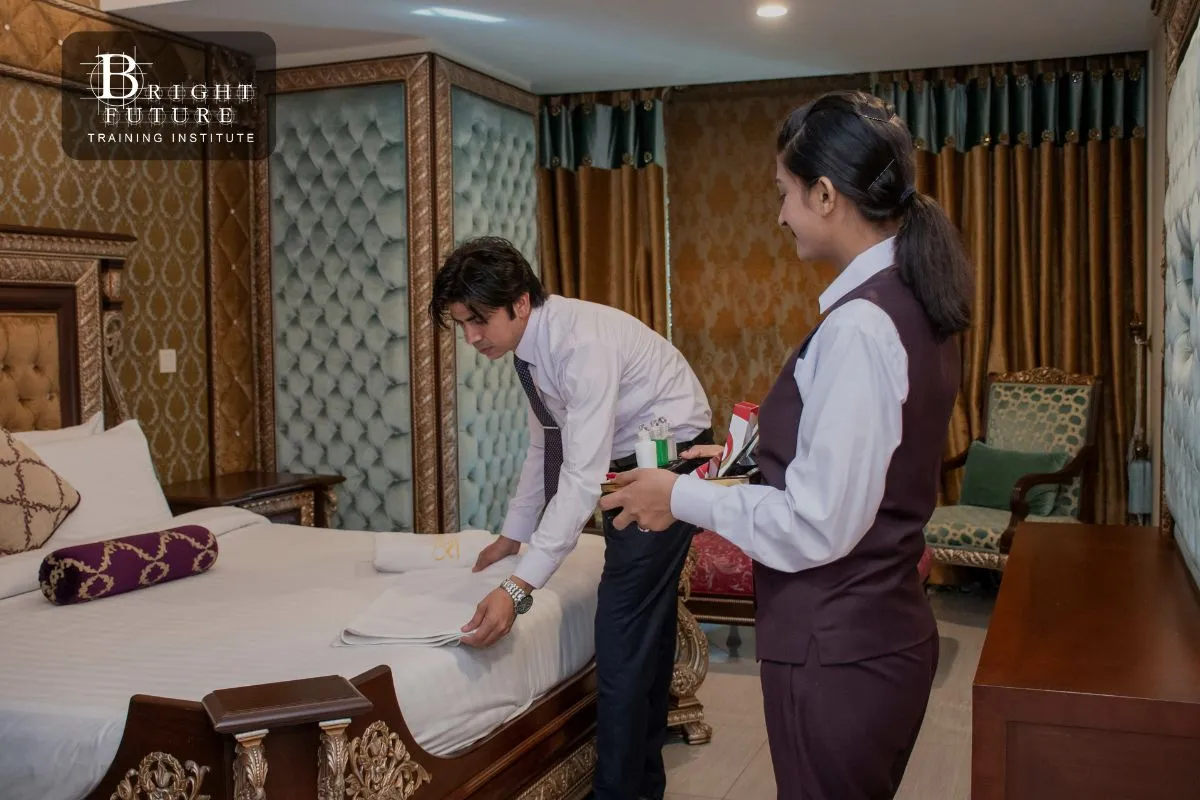
In hotels, daily tasks also include making beds, changing towels, and restocking room items. In offices, daily work includes cleaning desks, meeting rooms, and shared areas.
Weekly and Periodic Housekeeping Duties
Some cleaning tasks are not done every day but are still important.
These include deep cleaning carpets, washing windows, cleaning vents, and polishing furniture. These tasks help keep places fresh and prevent dirt from building up over time.
Proper training helps housekeepers know when and how to do these tasks safely.
Housekeeping Duties in Hotels
Hotel housekeeping is very important because guests expect clean and comfortable rooms.
Hotel housekeepers clean guest rooms, bathrooms, hallways, and public areas. They change bed sheets, replace towels, restock toiletries, and check that rooms are ready for guests.
Small details matter in hotels. Cleanliness directly affects guest satisfaction and hotel reputation.
Housekeeping Duties in Hospitals and Healthcare Facilities
In hospitals, housekeeping helps protect health and safety.
Housekeepers clean patient rooms, waiting areas, restrooms, and other spaces. They follow strict cleaning rules to reduce the risk of infection.
They also handle medical waste carefully and follow safety instructions at all times. Hospital housekeeping requires care, responsibility, and proper training.
Housekeeping Duties in Offices and Commercial Buildings
Office housekeeping helps create a clean and professional environment.
Housekeepers clean work areas, meeting rooms, restrooms, and common spaces. They take care of waste and keep shared areas like kitchens clean.
A clean office helps employees feel more comfortable and focused at work.
Housekeeping Duties in Residential Buildings
In residential buildings, housekeepers take care of shared spaces used by residents.
They clean areas such as entrances, staircases, elevators, corridors, and shared facilities. They also report problems like broken lights or water leaks.
Good housekeeping makes living spaces safer and more pleasant for everyone.
Skills Needed for Housekeeping Jobs
Housekeeping requires simple but important skills.
Attention to detail helps ensure cleaning is done properly. Time management helps complete tasks on schedule. Physical strength and stamina are needed because the work can be active.
Good communication helps housekeepers understand instructions and report issues. Basic safety awareness is important when using cleaning tools and products.
Training helps build these skills and improves confidence at work.
Health and Safety in Housekeeping
Safety is a big part of housekeeping work.
Housekeepers must use cleaning products correctly and store them safely. They should follow rules to avoid accidents and injuries.
Wearing protective items and using tools properly helps keep everyone safe. Professional training teaches these safety practices clearly.
Professional Housekeeping vs General Cleaning
Professional housekeeping is different from basic cleaning.
It follows set routines, quality standards, and safety rules. The goal is to maintain cleanliness every day, not just clean occasionally.
This is why hotels, hospitals, and large organizations prefer trained housekeeping staff.
Career Growth in Housekeeping
Housekeeping offers good career opportunities.
With experience and training, housekeepers can become supervisors or managers. These roles come with more responsibility and better pay.
In Dubai, trained housekeeping professionals often find work in hotels, hospitals, and large facilities.
Why Professional Training Is Important
Training helps housekeepers learn the correct way to clean, stay safe, and work professionally.
At Bright Future Training Institute in Dubai, housekeeping training focuses on real workplace needs. Learners are prepared for actual job duties and expectations.
Training improves job chances and helps people perform better at work.
Who Should Learn About Housekeeping Duties and Responsibilities
This knowledge is useful for people starting their careers, those already working in housekeeping, and anyone who wants to grow in this field.
Employers and supervisors also benefit from understanding housekeeping responsibilities to maintain good standards.
The Future of Housekeeping
Cleanliness and safety are becoming more important every year.
As a result, housekeeping will always be needed. Skilled and trained housekeepers will continue to have strong job opportunities, especially in cities like Dubai.
Final Thoughts
Housekeeping is more than cleaning. It is a responsible job that supports health, safety, and comfort.
Understanding housekeeping duties and responsibilities helps people build a stable and respected career. With the right training and attitude, housekeeping can offer long-term growth and reliable work.