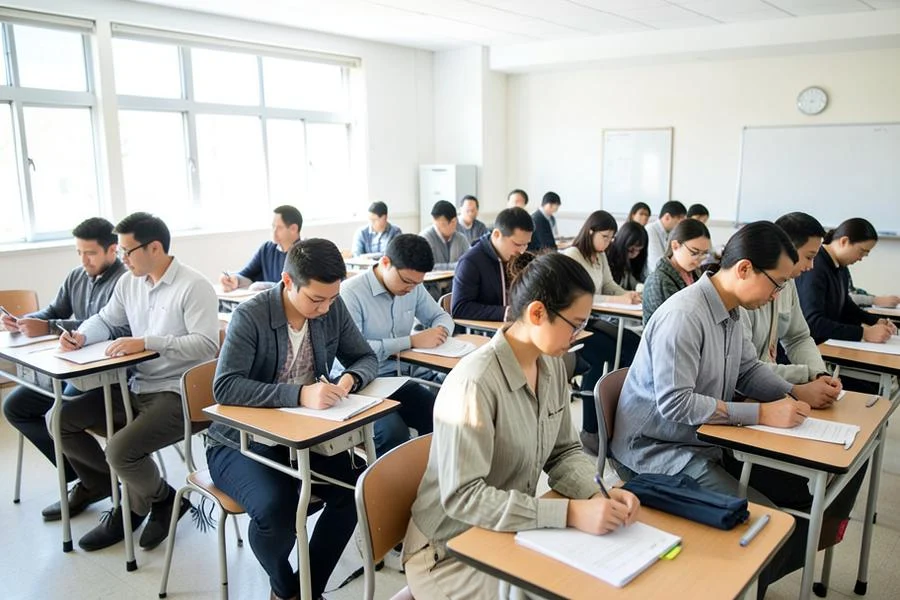
A restaurant manager runs the whole restaurant during and between services. They lead the floor and kitchen teams, plan rotas, order stock, control costs, protect food safety and hygiene standards, handle guest complaints and look after the restaurant's reputation. In the UAE, they also lead multicultural teams and adapt service to busy seasons and a very international guest base.
Key takeaways
- A restaurant manager is responsible for the guest experience, the team and the business results of one outlet.
- The job follows a clear rhythm: preparation before opening, leadership during service, and checks and handover after close.
- A restaurant manager is not the same as an F&B manager or a head chef. Each role owns a different part of the operation.
- The core skills are leadership, communication, commercial awareness, calm problem-solving and a firm grip on hygiene standards.
- Most people reach the role by working up from floor positions such as waiter, barista, host or supervisor, adding structured training along the way.
- In the UAE, leading a multilingual team and serving guests from many cultures is part of the everyday job.
What does a restaurant manager do, in plain terms?
A restaurant manager is the person accountable for how a restaurant performs, shift by shift and over time. If a guest leaves happy, a supplier delivers the right order, a new waiter learns the menu properly and the outlet stays within budget, the restaurant manager has usually played a part in all of it.
The role sits between the guests, the team and the owners or senior management. Guests see the manager greeting tables and solving problems. The team sees the person who plans shifts, coaches them and makes decisions when something goes wrong. Owners see the person who reports on sales, costs, staffing and guest feedback.
In a small independent restaurant, the manager may do almost everything, from hiring and ordering to replying to reviews. In a large hotel or restaurant group, specialist departments for purchasing, human resources, finance and marketing support the manager.
Whatever the setting, the job comes down to three responsibilities:
- Guests: consistent, safe and welcoming service for every guest.
- People: building, leading and developing a team that can deliver that service.
- Business: keeping the restaurant organised, compliant and commercially healthy.
What are a restaurant manager's main duties and responsibilities?
Restaurant manager duties and responsibilities usually fall into seven areas. Job descriptions in Dubai and across the UAE vary, but most include some version of each.
Running daily operations
The restaurant manager makes sure the outlet opens on time, is clean and fully set up, and has the right people in the right positions. They check reservations, confirm large groups or events, and make sure the floor and kitchen know what to expect.
During service, the manager watches the flow of the room and steps in when a section is overloaded or food is waiting at the pass. A good manager also relies on clear standard operating procedures for opening, closing, cash handling, allergen questions and complaints, so the team does not have to guess.
Leading, hiring and developing the team
People management takes up a large share of the job. The manager usually takes part in recruitment, from interviewing to choosing who joins, and plans rotas that balance business needs, labour budgets and fair treatment of staff.
Training never stops. New team members need to learn the menu, the service sequence, the point-of-sale system and hygiene routines, while experienced staff need coaching to move up. The manager also handles the harder side: lateness, poor performance, conflicts between colleagues and, when necessary, the company's disciplinary process. Managers who recognise good work and explain decisions clearly tend to keep their teams longer.
Stock, ordering and supplier relationships
A restaurant cannot serve what it does not have. Working with the head chef, the manager makes sure food, beverages, cleaning supplies and service items are ordered in the right quantities and delivered on time. This involves regular stock counts, checking deliveries against orders, rotating stock so older items are used first, and raising issues with suppliers when quality slips.
In hotel restaurants, a central purchasing or stores team often does the buying and the manager places requisitions. In standalone restaurants, the manager may negotiate with suppliers directly.
Cost control and understanding the numbers
Restaurant managers are expected to understand the business side of the outlet without being accountants. In concept, cost control means watching three main areas: food and beverage costs, labour costs and operating expenses such as utilities, linen and repairs.
The manager compares what the restaurant actually used with what it should have used based on sales, and looks for causes of any gap, such as waste, over-portioning, spoilage or incorrect recipes. They also review sales reports to see which dishes sell well and which may need to change. You need to read a sales report, understand a budget and explain the story behind the numbers.
Guest service and complaint handling
Guest service is where most people first notice a restaurant manager. The manager sets the service standard, models it personally and checks it throughout the shift by visiting tables and asking for feedback.
When something goes wrong, the team calls the manager. Good complaint handling follows a simple pattern: listen fully, apologise sincerely, fix the problem where possible, follow up and learn from it. Many managers also monitor online reviews and reply professionally. Strong customer service skills are one of the clearest signs that someone is ready for management, and a structured customer service course can help floor staff build them deliberately.
Food safety, hygiene and compliance
Protecting guests' health is non-negotiable. The restaurant manager makes sure the team follows food safety and hygiene practices, such as correct storage, safe handling of raw and cooked foods, personal hygiene, cleaning schedules, pest control and allergen management. Compliance also covers staff health and safety, fire safety, licences, record-keeping and inspections.
Requirements can differ between emirates and can change over time. Restaurant managers should always confirm current food safety and hygiene requirements with the relevant authority, such as Dubai Municipality for outlets in Dubai, rather than relying on memory or general advice.
Marketing, promotions and reputation
Even with a dedicated marketing team, the restaurant manager helps bring guests through the door. They may suggest promotions, plan themed nights, support menu launches and train the team on upselling. In smaller restaurants, the manager may also run social media and delivery platform listings and build links with nearby offices and communities.
For a closer look at how these duties connect across a whole department, see this guide to food and beverage duties and responsibilities.
What does a restaurant manager actually do across one shift?
Job descriptions list duties but rarely show how the work feels. A typical shift has three phases. Exact tasks depend on the outlet, but the rhythm is similar in most restaurants.
Before opening: preparation and briefing
In the pre-opening phase, a restaurant manager will usually:
- Walk through the dining room, bar, terrace and restrooms to check cleanliness, lighting, music and table set-up.
- Review reservations, VIP guests, celebrations and dietary requests.
- Check with the kitchen on specials, unavailable items and any allergen changes.
- Confirm staffing and assign sections, breaks and side duties.
- Check that stock, float and equipment such as the point-of-sale system are ready.
- Hold a short team briefing on the plan for the shift, key guests, specials and feedback from the previous service.
The briefing is one of the most valuable moments in the manager's day. It aligns the team and sets the tone.
During service: leading from the floor
Once the doors open, the manager moves from planner to leader on the floor. During service, they typically:
- Greet guests and support the host team when the door is busy.
- Watch table timing, from seating to ordering, food delivery and payment.
- Support any section that is falling behind.
- Talk with the kitchen to manage the pace of orders and solve delays early.
- Visit tables and handle concerns before they grow.
- Deal with complaints, payment issues, staff problems or equipment failures as they happen.
The best managers are visible but calm. Guests feel looked after, and the team knows help is close at hand.
After close: checks, reports and handover
Closing duties normally include:
- Checking that cleaning, side work and storage meet the standard.
- Reconciling sales, payments and cash against the system.
- Recording incidents, complaints, breakages, waste and maintenance needs.
- Updating stock notes or placing orders for the next delivery.
- Writing a handover note for the next manager on duty and securing the premises.
Over time, these notes become a valuable record that helps the manager spot patterns, such as a recurring delay on one dish or a staffing gap on certain shifts.
How is a restaurant manager different from an F&B manager, supervisor or head chef?
Titles in hospitality can be confusing, especially in hotels where several food and beverage roles work side by side. The table below is a general comparison. Every organisation sets its own structure, so treat it as a guide.
| Role | Main focus | Usual scope | Typically works closely with |
|---|---|---|---|
| Restaurant manager | Running one restaurant: guests, team, standards and results | A single outlet | Head chef, supervisors, owners or the F&B manager |
| Assistant restaurant manager | Supporting the manager and running shifts in their absence | A single outlet, often leading specific shifts | Restaurant manager, supervisors, floor team |
| Restaurant supervisor or captain | Leading a section or shift on the floor and training staff | A section or a shift within one outlet | Assistant manager, waiters, hosts |
| F&B manager | Overseeing all food and beverage operations, strategy and budgets | Several outlets, such as restaurants, bars, room service and banqueting | Outlet managers, executive chef, hotel leadership |
| Head chef | Running the kitchen: menu, food quality, kitchen team and food costs | The kitchen of one outlet | Restaurant manager, sous chefs, suppliers |
Restaurant manager vs F&B manager
The difference is mostly scope. A restaurant manager leads one outlet in depth. An F&B manager, common in hotels and larger groups, oversees several outlets and the wider food and beverage strategy, including budgets, concepts, banqueting and in-room dining. Many F&B managers previously worked as restaurant managers, because that role builds the hands-on experience a wider F&B role depends on.
Restaurant manager vs head chef
The restaurant manager usually leads the front of house and the overall business, while the head chef leads the kitchen. A strong partnership between them is one of the clearest signs of a well-run restaurant. They share decisions on menus, stock levels, waste control and how the kitchen and floor communicate during service.
What does a restaurant manager do in a hotel compared with a standalone restaurant, QSR or café?
The core of the role stays the same everywhere, but the setting changes the balance of duties.
Hotel restaurants
In a hotel, the restaurant manager runs an outlet inside a larger organisation. They usually report to the F&B manager and work within hotel-wide standards for service, branding, guest feedback and safety. Breakfast for in-house guests, all-day dining and themed buffets are common responsibilities.
Hotel restaurant managers coordinate with the front office, housekeeping, engineering and human resources. Understanding those departments makes a big difference, and this guide on how to become a skilled front office manager shows how the front desk side of a hotel works.
Standalone and independent restaurants
In an independent restaurant, the manager usually has more freedom and more responsibility. They may report directly to the owner, handle marketing and supplier negotiations personally, and make quick decisions without layers of approval. The upside is variety and influence; the challenge is having fewer support teams to lean on.
Quick-service restaurants and cafés
In quick-service restaurants and cafés, the job focuses on speed, consistency and systems. Managers follow brand standards closely, manage high order volumes, oversee delivery and takeaway channels, and keep a tight eye on stock and labour. Many café and quick-service managers started as baristas or crew members and were promoted because they knew the systems inside out.
Which KPIs does a restaurant manager watch?
Key performance indicators, or KPIs, show whether the restaurant is doing well and where to act. Every business sets its own targets, but the measures are similar across the industry:
- Covers: the number of guests served, used to plan staffing and stock across meal periods and seasons.
- Average spend per guest: a sign of how well the team recommends dishes, drinks and desserts.
- Table turns: how often a table is used during a service, balancing a relaxed experience with seating waiting guests.
- Food and beverage cost: ingredient spending compared with sales. A rise can signal waste, supplier changes or portion problems.
- Labour cost and productivity: how staffing compares with the level of business.
- Waste: food lost through spoilage, over-preparation or plate returns.
- Guest feedback and reviews: comments, ratings and complaints from every channel.
- Staff turnover and attendance: how often people leave or miss shifts, which affects service and training effort.
A restaurant manager does not need to memorise targets to understand these ideas. What matters is reading the trends, asking why they move and acting on them with the team.
What skills does a restaurant manager need?
Restaurant manager skills combine people skills, operational know-how and business sense. Technical knowledge can be learned on the job and through training, but the softer skills often make the biggest difference.
Leadership and people skills
A restaurant manager leads by example. They give clear instructions, delegate, coach individuals, handle conflict and keep morale high on difficult nights. Emotional intelligence, the ability to read and manage emotions in yourself and others, is especially valuable in a high-pressure workplace.
Communication
Managers talk to guests, staff, chefs, suppliers, owners and other departments. They explain decisions clearly, listen carefully and adjust their style to the person in front of them. Clear writing matters too, for reports, rotas and procedures.
Organisation and commercial awareness
Strong managers plan ahead, use checklists, prioritise under pressure and keep good records. They also understand how the outlet makes money, from reading sales reports to planning promotions that grow revenue without hurting the guest experience.
Problem-solving and composure
A no-show staff member, a broken dishwasher, a late delivery or an unhappy guest: things go wrong in every restaurant. Staying calm, thinking quickly and choosing a sensible solution is one of the most respected skills in the industry.
Skills self-check
Answer each question honestly with "yes", "partly" or "not yet":
- Can I run a section confidently on a busy shift without help?
- Can I explain the full menu, including allergens, to a guest and to a new colleague?
- Do I stay calm and polite when a guest is upset?
- Have I trained or mentored a new team member?
- Can I read a basic sales report and explain what it shows?
- Do I understand the restaurant's hygiene routines and why each one matters?
- Have I helped with stock counts, ordering or receiving deliveries?
- Can I give clear, respectful feedback to colleagues from different backgrounds?
Every "not yet" is your next development goal, not a weakness. Ask your supervisor for exposure to those areas, and look for training that covers them in a structured way.
How do you manage a multicultural team and guests in the UAE?
Restaurants in Dubai and across the UAE are among the most international workplaces anywhere. One team may include people from many countries, speaking several languages and bringing different expectations about hierarchy and communication. Guests are just as diverse, from residents and business travellers to tourists from all over the world.
Leading a multicultural team
- Use clear, simple language. English is usually the shared working language, but levels differ. Short instructions, demonstrations and written checklists help everyone follow the same standard.
- Check understanding, not just agreement. Some people say "yes" out of respect even when unsure. Ask team members to show you the task.
- Be fair and consistent. Apply rules, rotas and opportunities the same way for everyone. Perceived favouritism damages trust quickly.
- Respect different customs. Be aware of religious observances and dietary practices within the team, and plan rotas and breaks with sensitivity.
- Use the team's languages as a strength. Staff who speak Arabic, Hindi, Urdu, Tagalog, Russian, French or other languages help guests feel welcome.
Serving guests from many cultures
Some guests expect quick, efficient service, while others value a slower, more personal approach. Dietary needs such as halal, vegetarian, vegan or allergen-free meals must be handled carefully and confidently. A good restaurant manager trains the team to observe guests, adapt their approach and respect local customs and values.
How do busy periods like Ramadan and the tourist season change the job?
The rhythm of restaurant work in the UAE changes through the year, and managers plan for it.
Ramadan
During Ramadan, many restaurants adjust their opening patterns, menus and service style. Iftar and suhoor become major service moments, often with set menus or buffets, and evenings can become extremely busy in a short window. Managers plan staffing, preparation and table layouts so that guests breaking their fast are served quickly and respectfully.
Team welfare needs attention too, as many staff may be fasting while working. Arrangements around opening, dining and public eating can be specific to the season and may change, so managers should follow current official guidance and company policy rather than assuming what applied before.
The tourist season and major events
During the cooler part of the year, the UAE typically welcomes more visitors, and terraces and beach outlets become popular. Exhibitions, festivals and major events can bring sudden waves of guests to certain areas. Managers prepare by training seasonal staff, adjusting stock, reviewing menus and making sure the team can handle higher volumes without lowering standards. Quieter periods are then a good time for training, deep cleaning and menu development.
How do you become a restaurant manager in the UAE?
There is no single route into restaurant management. Most managers combine hands-on floor experience with structured learning. The path below is a common progression, but people move at different speeds depending on the employer, their performance and the opportunities available.
Start in a floor role
Many restaurant managers began as waiters, hosts, bartenders, baristas or crew members. Build confident guest service, menu knowledge, basic hygiene practices, reliability and familiarity with the point-of-sale system.
Move into a supervisor or captain role
Supervisors and captains lead a section or shift, allocate tables, train new staff and handle the first level of complaints. Build team leadership, coaching, complaint handling and opening and closing routines.
Step up to assistant restaurant manager
Assistant managers support the restaurant manager and run shifts on their own, often taking responsibility for rotas, stock counts or training. Build rota planning, stock control, supplier communication, report reading and fair handling of staff issues.
Become a restaurant manager
At manager level, you take responsibility for the whole outlet. Employers usually look for proven leadership, a strong guest service record, commercial awareness and a solid understanding of hygiene and safety. From here, some managers move on to F&B manager or multi-unit operations roles, while others open their own restaurant.
Do you need a degree to become a restaurant manager?
A degree is not always required. Many employers value practical experience and proven leadership as highly as formal education, especially independent restaurants and quick-service brands. Some hotels and larger groups prefer hospitality qualifications, particularly for management trainee routes, so check each job advert.
Professional training sits between these routes. A focused programme gives you structured knowledge of operations, service standards, finance basics, marketing and leadership that is hard to pick up through experience alone. The hotel and restaurant management programme at Bright Future Training Institute is designed for people who want to understand how hotel and restaurant operations fit together. If you are focused on the food and beverage side, the food and beverage service operation management course is another option to discuss with a course adviser.
What should students, parents and working professionals plan for?
Restaurant management can be a rewarding career, but it is demanding. Honest planning helps you make the right choices.
For school leavers and students
- Get real experience early. Part-time or entry-level roles in cafés, restaurants or hotels show you what the work is really like.
- Combine learning with practice. Training gives you structure, while floor work gives you confidence.
For parents
- Understand the working pattern. Restaurant work often involves evenings, weekends and public holidays. Talk openly about whether this suits your son or daughter.
- Ask questions before anyone enrols. Find out what a course covers, how it is delivered and what certificate is issued.
For working professionals and career changers
- Choose a flexible format. If you work shifts, online live sessions can make study realistic.
- Use your current role as a classroom. Ask to help with stock counts, rotas, training or reports so you can practise what you learn.
- Highlight transferable skills. People moving from retail, sales or administration often bring strong communication and organisation skills.
- Be realistic. No course can promise a job or a particular role. Training strengthens your profile, but experience, attitude and interview performance also count.
How Bright Future Training Institute can help
Bright Future Training Institute offers hospitality training in the classroom at the NBQ Building, Bank Street, Bur Dubai, close to BurJuman Metro Station, and as online live sessions for learners in Dubai and across the UAE. Certificates are approved by KHDA and recognised across the UAE. You can compare the full range of hospitality management courses and book a free demo class before you enrol. For current fees and timetables, ask a course adviser directly.
Next step: talk to a course adviser
A restaurant manager leads people, protects guests and keeps the business on track, shift after shift. If you want to move into the role, build strong service skills on the floor first, then add leadership, cost awareness and structured hospitality training.
If you are unsure which course fits your goals, contact Bright Future Training Institute to talk to a course adviser or book a free demo class. You can call or WhatsApp +971 54 373 3394, or email [email protected]. The institute is open daily, 9:00 AM to 5:00 PM.